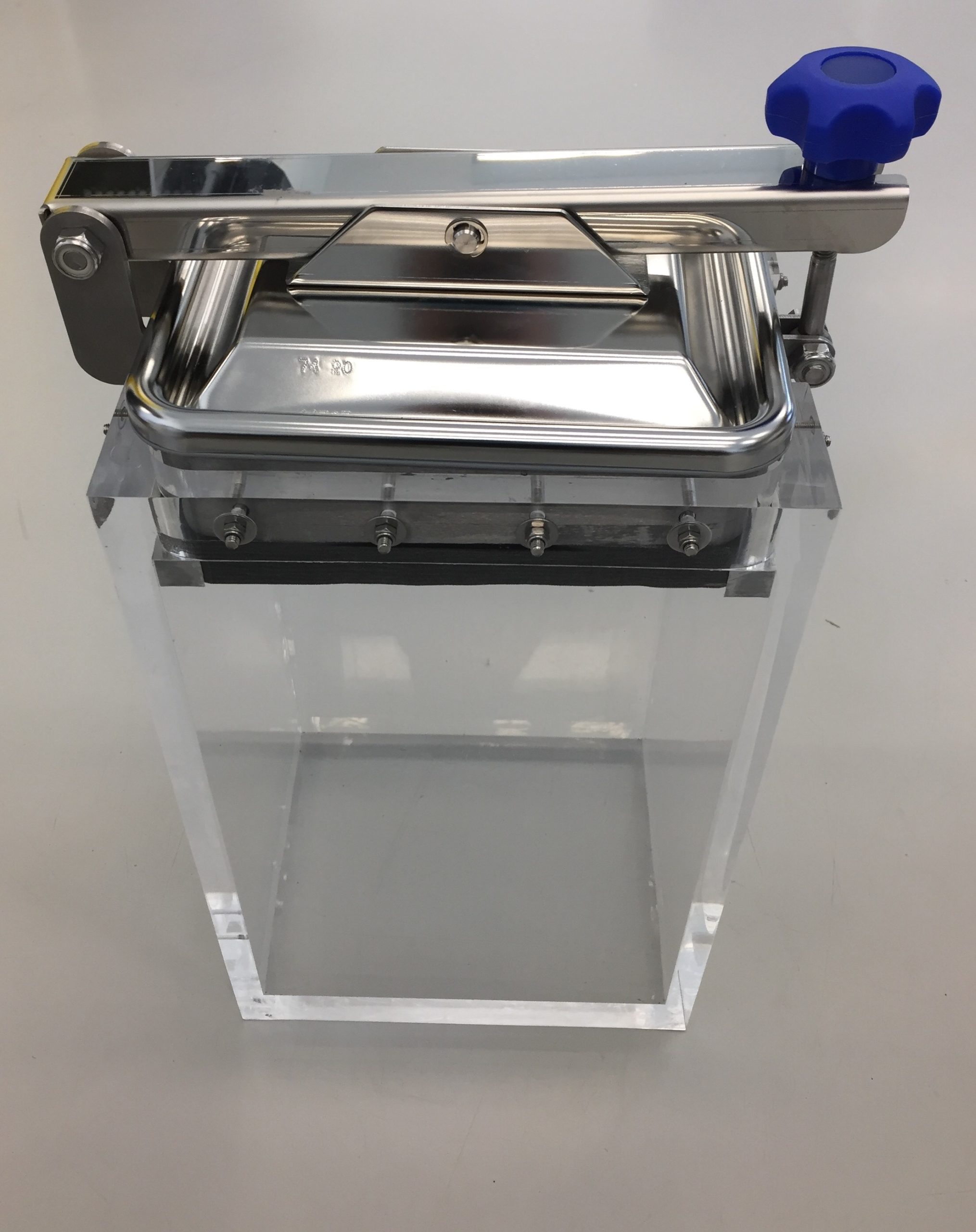
A laboratory glove box is essential in research, industry, nuclear and medical work. It creates a controlled or confined atmosphere, protects operators and keeps products free from external contamination. Ideal for hazardous or sensitive materials.
Uses
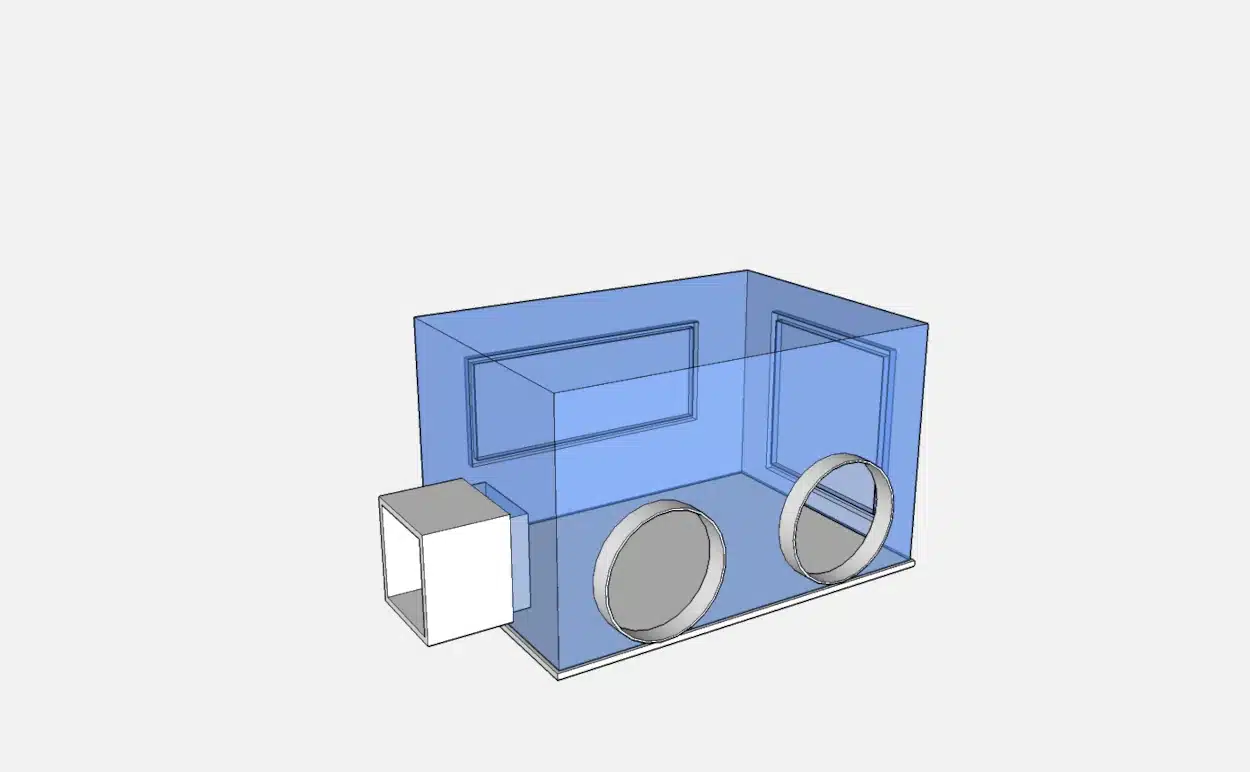
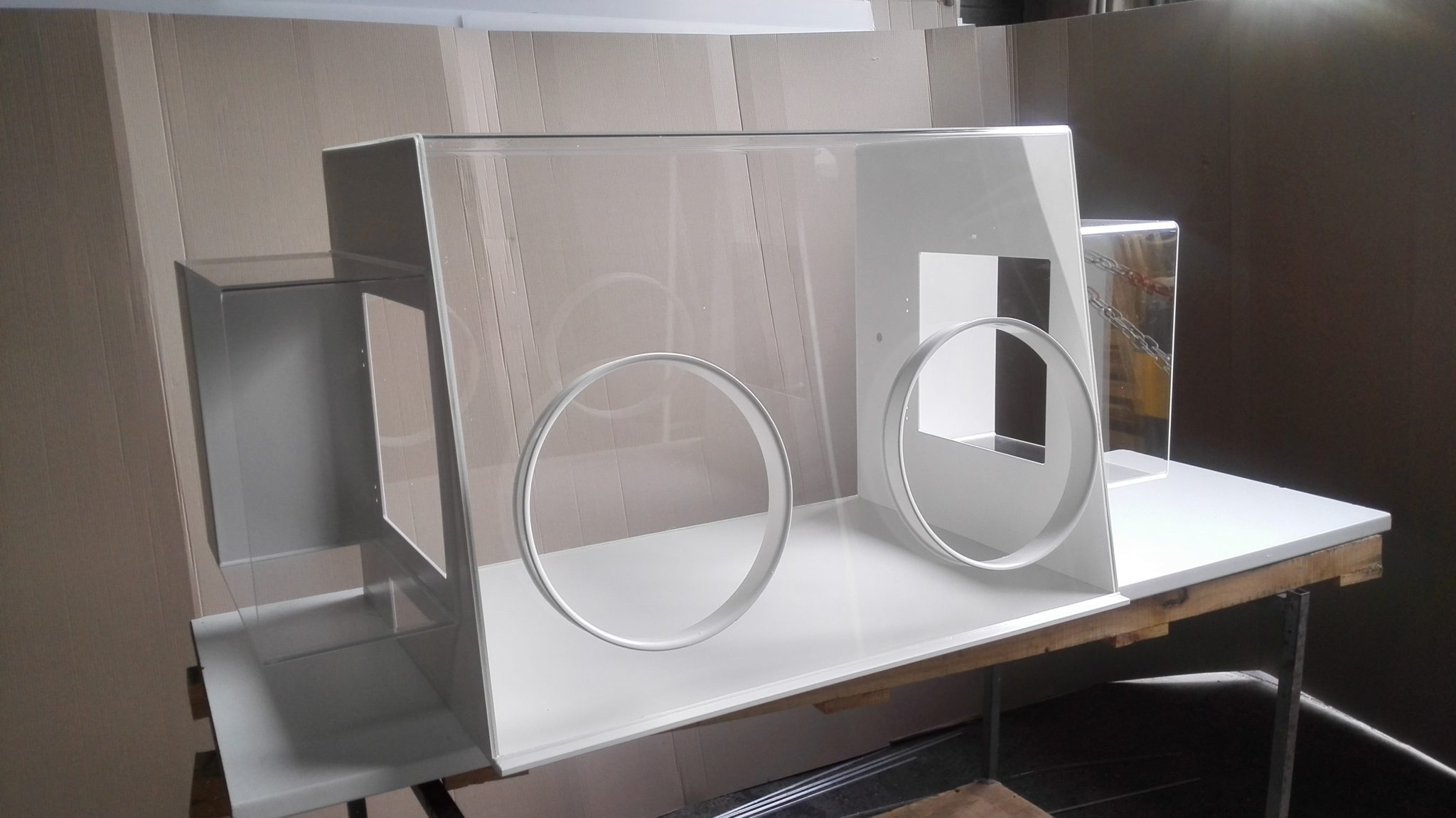
Similar to a sealed enclosure: transparent working face, regulation units, gloves, purification and transfer. Safe handling of radioactive, toxic or volatile substances, active ingredients and pathogens.
Internal pressure can be above or below atmospheric. Safety systems trigger automatically if an anomaly is detected.
Technical features
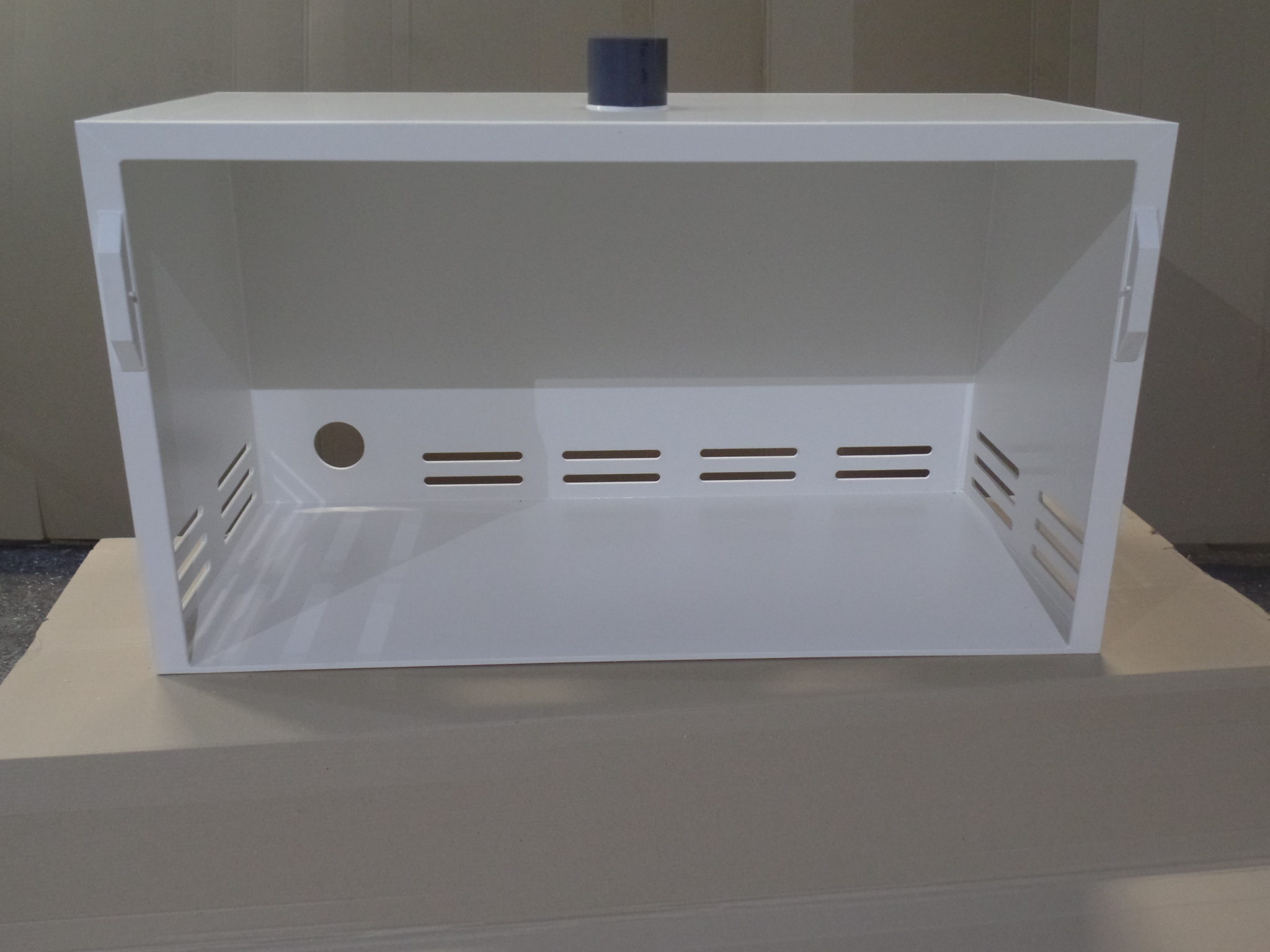
Main chamber: sealed workspace with transparent faces.
Gloves: mounted on support rings, in addition to PPE.
Sensors and regulators: temperature, pressure, oxygen and humidity in real time.
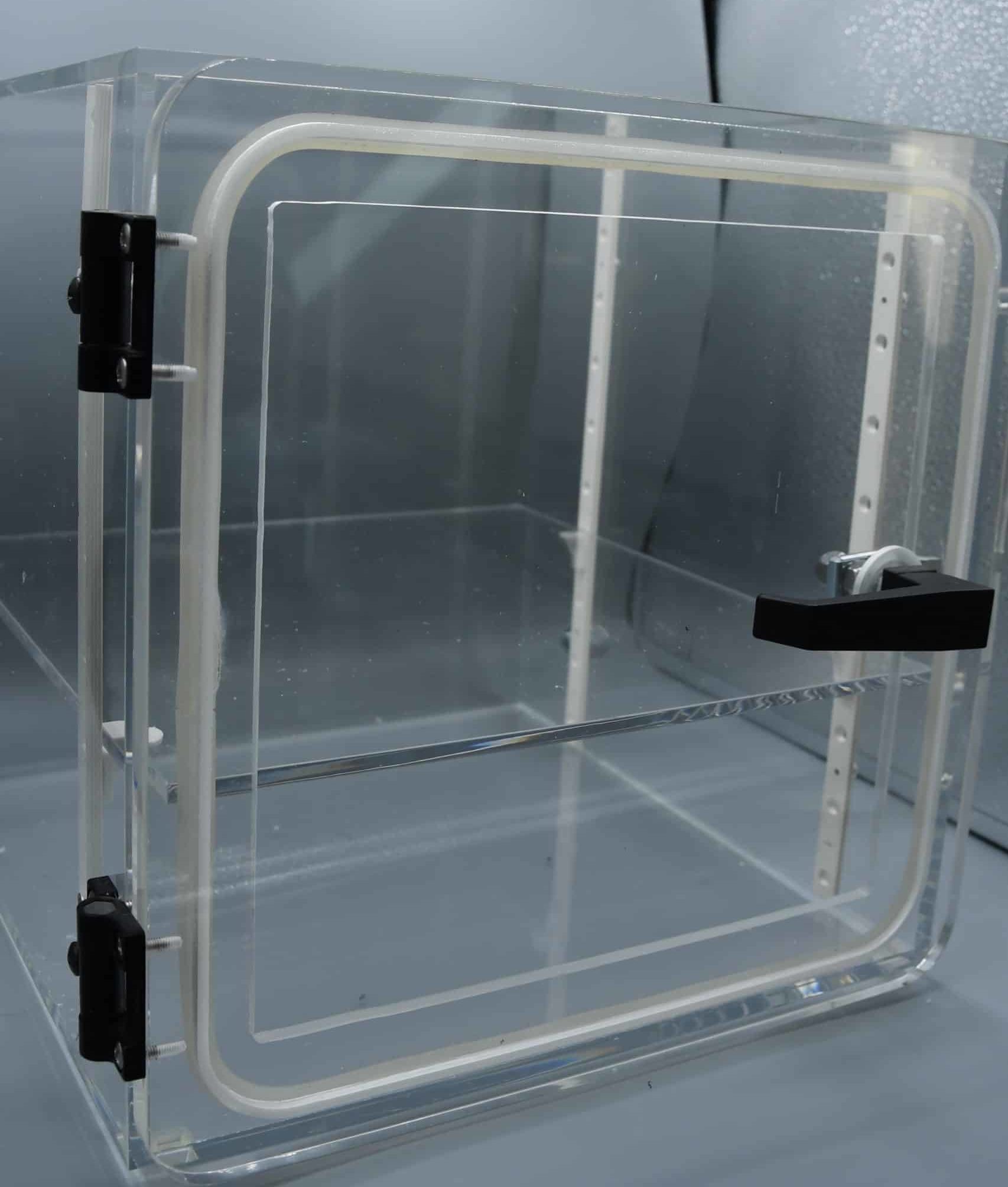
Transfer airlock: at least one, to introduce tools and products without contaminating the atmosphere.
Automatic safety flow: mandatory. Compensates for accidental pressure drops (glove tear, containment breach).
Two types of glove box
Hazardous-product containment: pathogens, radioactive materials. Nuclear processes may add lead shielding.
Inert atmosphere: removal of solvents, water and oxygen. Ideal for nitrogen or argon handling.